 Mesenchymal stem cells
 Exosomes
 Umbilical cord stem cells
 IV stem cell therapy
 Stem cell injections
 PRP vs stem cells
What is stem cell therapy?
A stem cell is a cell that can become a different kind of cell, such as blood, bone or muscle.[5] "Stem cell therapy" covers four different things: a hospital blood stem cell transplant, a licensed cell product implanted into a specific tissue, an experimental product given in a registered trial, and a cell preparation sold by a private clinic for a use no regulator has approved.[6][1][7]
Private clinics mostly use cells from your own fat or bone marrow, taken and injected the same day, or donor cells grown from umbilical cord. They inject them into a joint, disc or skin, or give them through a drip.[6][8]
What is stem cell therapy used for?
The proven uses are for blood and immune disorders, including blood cancers such as leukaemia.[1][6] Everything below is offered privately, and none of it is approved by the FDA, Malaysia's NPRA or Mexico's COFEPRIS for these conditions.[2][3][4]
 Knee12 clinics · from USD 1,999
 Back pain10 clinics · from USD 1,425
 Arthritis14 clinics · from USD 1,425
 Shoulder6 clinics · from USD 1,999
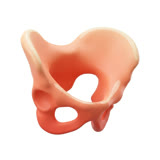 Hip6 clinics · from USD 2,199
 Hair loss5 clinics · from USD 1,399
 Face and anti-aging12 clinics · from USD 1,399
 Multiple sclerosis11 clinics · from USD 4,000
 Autism5 clinics · from USD 5,000
 Neuropathy2 clinics · from USD 1,750
 Parkinson's3 clinics · price not published
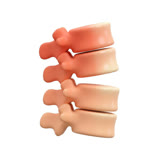 Spinal cord injury3 clinics · from USD 5,000
 ALS3 clinics · price not published
 Diabetes7 clinics · from USD 4,000
 Macular degeneration0 clinics
 COPD5 clinics · from USD 1,750
 Kidney disease2 clinics · from USD 1,750
 Erectile dysfunction7 clinics · from USD 1,399
What does stem cell therapy cost?
Cell treatments cost more than PRP because they involve a harvest, processing or a manufactured donor product.[8] A genuine clinical trial should not usually charge you anything.[1] Full price breakdown by treatment and country
Does stem cell therapy work?
For the uses clinics sell, the evidence is weak: across the 18 conditions on this site, no body of evidence is strong. The best result is for bone marrow cells added to hip surgery for avascular necrosis.[9]
Side effects and risks
Most side effects are minor and short-lived: in knee studies, one in eight patients had swelling or pain at the injection site, usually gone within four weeks.[12] After a drip, fever is about two and a half times as common as with placebo.[13]
The rare serious harms are documented: blindness after injection into the eye, vision loss after facial fat injection, joint infections needing repeat operations, and bloodstream infections from a contaminated cord product.[14][15][16][17]
Is stem cell therapy FDA approved?
Only for narrow uses: blood stem cells from cord blood for blood and immune disorders, and one cell product for graft-versus-host disease.[19] The FDA says no stem cell product is approved for any orthopaedic condition, and no exosome product is approved at all.[2]
United States. If you are charged for a product, or offered one outside a clinical trial, the FDA says you are likely being offered it illegally.[18]
Malaysia. Donor and lab-grown cells must be registered before a clinic can give them.[3] Malaysia guide
Mexico. COFEPRIS says stem cell treatments lack authorisation.[4] Mexico guide
Panama. Stem cells are permitted for research only.[20] Panama guide
Common questions
Is it covered by insurance?
No product is approved for the conditions clinics sell it for, so there is nothing for an insurer to cover.[19][2]
How long does it last?
Where an effect exists, follow-up is short. The pooled knee benefit is reported to six months.[10]
What is the success rate?
There is no meaningful published success rate. Clinic figures have no comparison group, and controlled trials report small differences, not rates.[10][8]
Questions to ask a clinic
- What is in the syringe: which cells, from where, and how many?
- Which lab made it, and can I see the certificate for my batch?
- What is the treating doctor's registration number?
- How many procedures will I need, and what does each cost?
- What happens if it does not work?
- What does the price include, and what is extra?
- Who follows me up after I fly home?
- Can I see the written protocol for my treatment?
Sources
20 references
- New York Stem Cell Foundation. Stem Cell Treatments: What You Need to Know. New York Stem Cell Foundation (NYSCF), 2026. Link
- U.S. Food and Drug Administration. Consumer Alert on Regenerative Medicine Products Including Stem Cells and Exosomes. 2024. Link
- National Pharmaceutical Regulatory Agency, Ministry of Health Malaysia. Guidance Document and Guidelines for Registration of Cell and Gene Therapy Products (CGTPs) in Malaysia, Second Edition (September 2025). 2025. Link
- Comisión Federal para la Protección contra Riesgos Sanitarios (COFEPRIS). La COFEPRIS suspendió clínica del D.F. que ofrecía tratamientos con Células Madre sin aval científico. Gobierno de México, COFEPRIS (press release), 2015. Link
- Cleveland Clinic. Stem Cells. Cleveland Clinic (my.clevelandclinic.org Health Library), 2025. Link
- Institute for Stem Cell and Regenerative Medicine, University of Washington. Learn more about the risks of unapproved stem cell treatments. Institute for Stem Cell and Regenerative Medicine (ISCRM), UW Medicine, University of Washington, 2026. Link
- International Society for Stem Cell Research. 9 Things to Know About Stem Cell Treatments. International Society for Stem Cell Research (aboutstemcells.org), 2026. Link
- Mautner K, et al. Cell-based versus corticosteroid injections for knee pain in osteoarthritis: a randomized phase 3 trial. Nature Medicine, 2023. Link
- Parikh RR, et al. Diagnosis and Treatment of Nontraumatic Osteonecrosis of the Femoral Head: A Systematic Review and Meta-Analyses for the ARCO Clinical Practice Guideline Development Workgroup. Medical sciences (Basel, Switzerland), 2026. Link
- Whittle SL, et al. Stem cell injections for osteoarthritis of the knee. The Cochrane Database of Systematic Reviews, 2025. Link
- Fernández-Garza LE, et al. Mesenchymal Stem Cell Therapies Approved by Regulatory Agencies around the World. Pharmaceuticals (Basel, Switzerland), 2023. Link
- Riggle C, et al. Complications of Stem Cell-Based Injections for Knee Osteoarthritis: A Systematic Review. HSS journal, 2025. Link
- Thompson M, et al. Cell therapy with intravascular administration of mesenchymal stromal cells continues to appear safe: An updated systematic review and meta-analysis. EClinicalMedicine, 2020. Link
- Kuriyan AE, et al. Vision Loss after Intravitreal Injection of Autologous "Stem Cells" for AMD. The New England Journal of Medicine, 2017. Link
- Moellhoff N, et al. Arterial Embolism After Facial Fat Grafting: A Systematic Literature Review. Aesthetic Plastic Surgery, 2023. Link
- Eliasberg CD, et al. Complications Following Biologic Therapeutic Injections: A Multicenter Case Series. Arthroscopy, 2021. Link
- Perkins KM, et al. Notes from the Field: Infections After Receipt of Bacterially Contaminated Umbilical Cord Blood-Derived Stem Cell Products for Other Than Hematopoietic or Immunologic Reconstitution - United States, 2018. MMWR. Morbidity and Mortality Weekly Report, 2018. Link
- U.S. Food and Drug Administration. Important Patient and Consumer Information About Regenerative Medicine Therapies. 2024. Link
- U.S. Food and Drug Administration. Approved Cellular and Gene Therapy Products. U.S. Food and Drug Administration, Center for Biologics Evaluation and Research, 2026. Link
- Ministerio de Salud, República de Panamá. Decreto Ejecutivo N° 179 (de 8 de junio de 2018) que reglamenta la investigación con tejidos y células de origen humano en la República de Panamá. Gaceta Oficial Digital No. 28546-A, República de Panamá, 2018. Link